Power Flushing in Worksop and the surrounding area
Overview
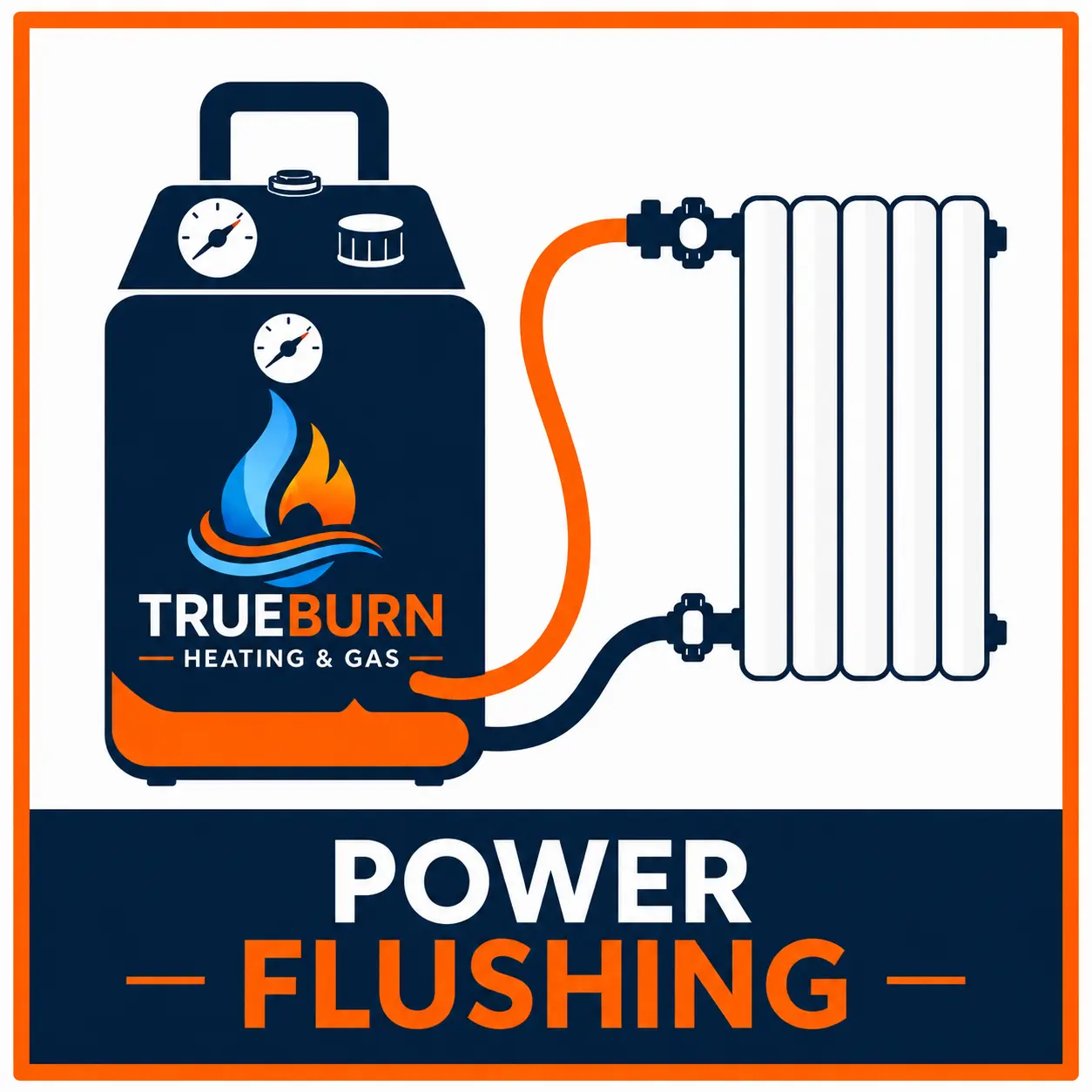
Over time, sludge and debris can build up inside your heating system, reducing its efficiency and affecting its performance. A professional power flush removes this build-up, helping your heating system work more efficiently, warm your home more effectively and continue operating reliably.
Signs you may need a power flush
Why it matters
Request a Quote
Reliable Servicing From Start To Finish
A professional power flush helps restore your heating system's performance by removing the build-up of sludge and debris that can affect efficiency. TrueBurn provides clear advice, professional workmanship and reliable service throughout the job, taking care to protect your home and leave the work area clean and tidy on completion.
Gas Safe Registered
Fully registered and regularly assessed.
Former British Gas Engineer
National training, local service.
Fully Insured
Public liability cover on every job.
Respectful in Your Home
Careful workmanship, clean and tidy work area
Honest & Professional
Straight advice and fair pricing.
5-Star Reviews
Rated five stars across the area.
Direct Tenant Contact Available
If you prefer, TrueBurn can liaise directly with your tenants to arrange a convenient appointment, making the process straightforward for both you and your tenants.
You might also need
Related services
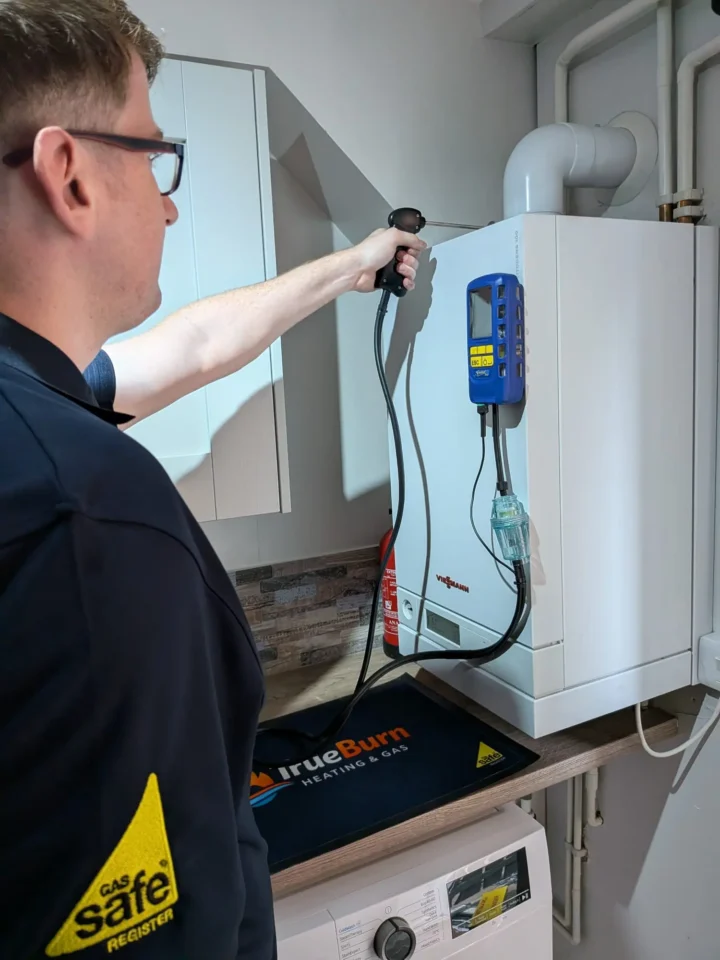
Boiler Servicing
Boiler Installations & Replacements

Landlord Gas Safety Certificates
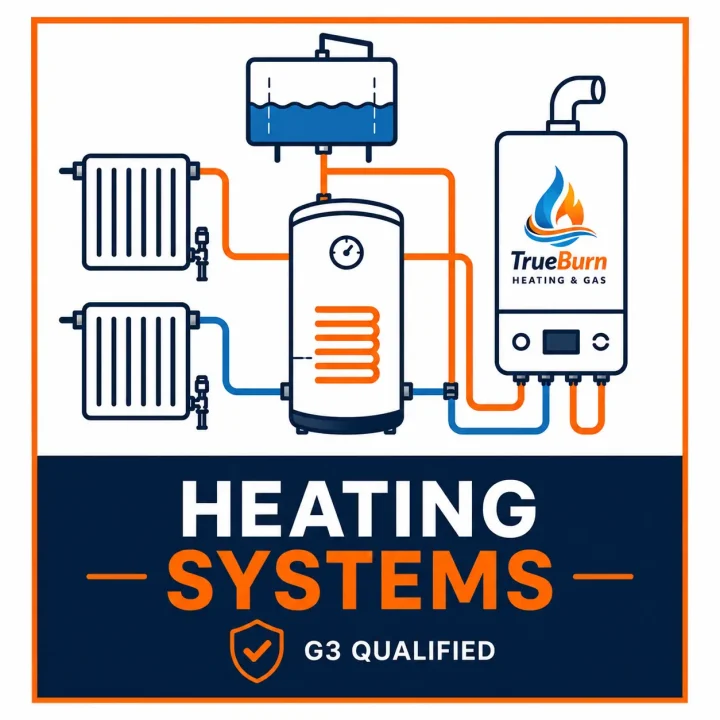
Heating Systems
Frequently asked questions
Questions
What is a power flush?
A power flush is a deep clean of your central heating. A machine pumps water and cleaning chemicals through the system at high flow to clear out the sludge, rust and debris that build up in radiators, pipework and the boiler over time.
How do I know if I need a power flush?
Common signs are radiators that are cold at the bottom or slow to warm up, a noisy boiler or pump, heating that takes longer than usual, and dirty water when you bleed a radiator.
How long does a power flush take?
Typically 4 to 8 hours, depending on the size and condition of your system. Larger homes or systems with heavy sludge can take longer.
How often should a central heating system be power flushed?
Roughly every 5 to 6 years as a guide, or sooner if you notice cold spots, noise or other signs of sludge.
What is the difference between a power flush and a chemical flush?
A power flush uses a machine to move water and chemicals at high flow and is best for heavy sludge. A chemical flush is gentler and suits preventative maintenance or systems in good condition.
How much does a power flush cost?
It depends mainly on the number of radiators and the state of the system. We assess it first and give you a clear quotation, so there are no surprises.
Do I need a power flush before a new boiler?
Often, yes. Cleaning the system protects your new boiler from existing sludge, and many manufacturers require it to keep the warranty valid.
Still have a question? Call 07999 660 660 and ask directly.
What local homeowners say
Reviews
See If A Power Flush Would Help Your Home